
Medical Eye Care Beyond Vision Correction
General Ophthalmology in Bennington for diagnosis, monitoring, and treatment of medical eye conditions
Some eye conditions require medical evaluation and treatment beyond corrective lenses or routine exams. Glaucoma, macular degeneration, cataracts, diabetic retinopathy, and retinal vascular occlusions all demand specialized diagnostic testing, ongoing monitoring, and coordination between optometrists and ophthalmologists. Advanced Eyecare provides general ophthalmology services across Southern Vermont, the Berkshires, and Eastern New York, ensuring that patients receive appropriate medical management or surgical referral when conditions exceed the scope of routine care.
Ophthalmologists are physicians trained in both medical and surgical treatment of eye diseases, while optometrists focus on vision correction and primary eye care. When a condition requires surgical intervention, laser treatment, or injectable medications, your optometrist coordinates referrals and co-manages postoperative care. This model allows you to receive specialized treatment while maintaining continuity with your primary eye care provider for follow-up exams and prescription updates.
Schedule an eye health evaluation if you experience sudden vision changes, persistent floaters, or have risk factors for chronic eye disease.
How Medical Eye Conditions Are Managed
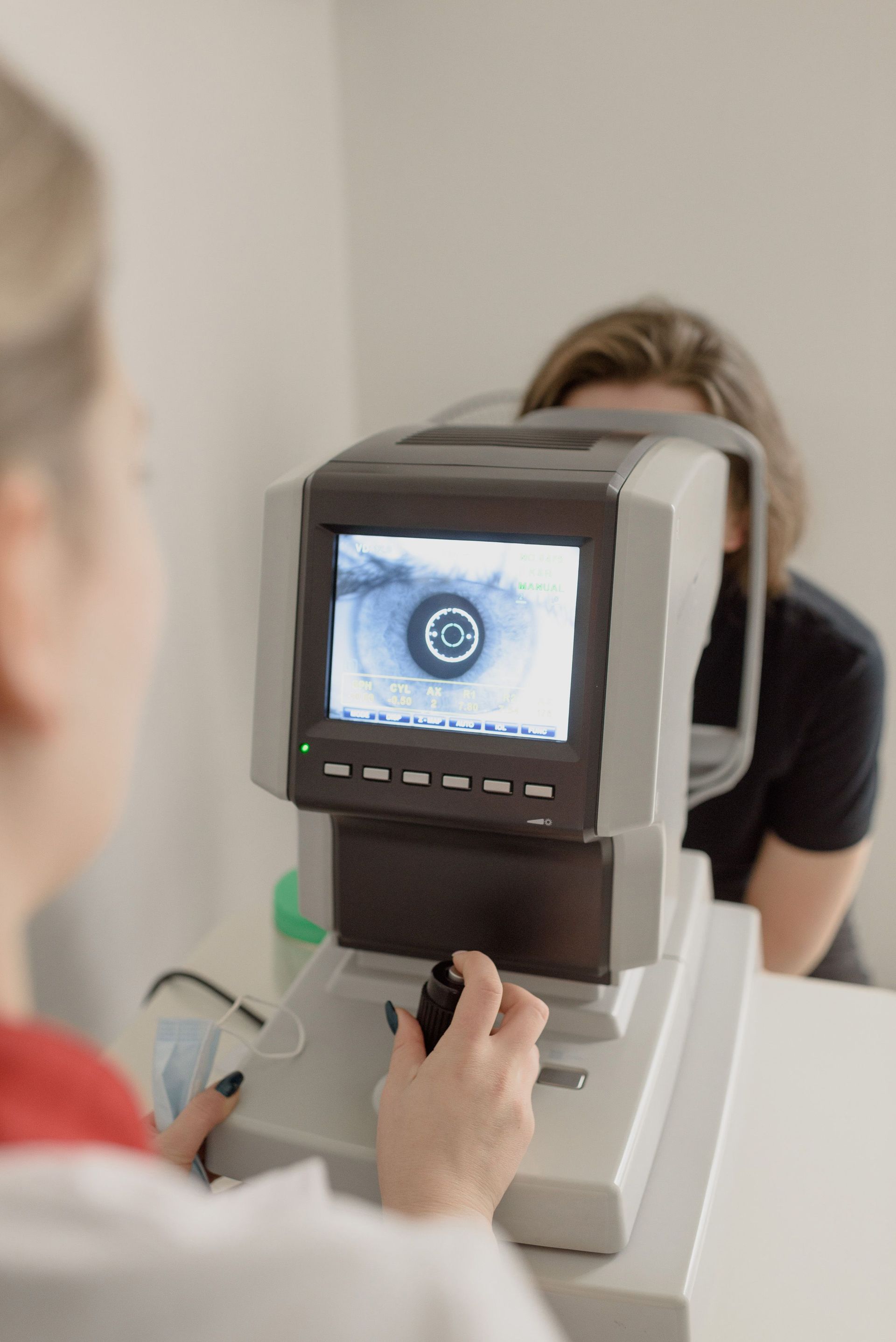
Diagnosis begins with comprehensive testing that may include optical coherence tomography to image retinal layers, visual field testing to map peripheral vision loss, tonometry to measure intraocular pressure, and fundus photography to document optic nerve or retinal changes. These tools detect structural damage before symptoms become severe, allowing treatment to begin when interventions are most effective.
Patients with glaucoma receive pressure-lowering medications or laser procedures to prevent optic nerve damage, while those with macular degeneration may undergo anti-VEGF injections or nutritional supplementation to slow progression. Cataracts are monitored until clouding interferes with daily tasks, at which point surgical referral is discussed. After surgery or treatment, you return to Advanced Eyecare for follow-up visits that track healing, monitor for complications, and adjust prescriptions as your vision stabilizes.
Chronic conditions require long-term monitoring intervals tailored to disease severity and progression risk. Early-stage glaucoma may need exams every three to six months, while stable dry macular degeneration might require annual imaging. Co-management ensures that you receive both specialized intervention and convenient local follow-up without traveling long distances repeatedly.
Common Questions About Medical Eye Care
Patients often ask about the difference between routine exams and medical evaluations, what conditions require specialized care, and how treatment decisions are made.
What is the difference between an optometrist and an ophthalmologist?
Optometrists provide primary eye care, including exams, prescriptions, and detection of eye disease. Ophthalmologists are medical doctors who perform surgery, prescribe medications for complex conditions, and manage diseases requiring advanced intervention. Both work together to coordinate your care.
How do you detect glaucoma before symptoms appear?
Glaucoma often has no early warning signs. Detection relies on measuring intraocular pressure, examining the optic nerve for cupping or pallor, and mapping peripheral vision using automated perimetry. Advanced imaging quantifies nerve fiber layer thickness over time.
When does a cataract require surgery?
Surgery is considered when lens clouding reduces your ability to perform daily activities safely or comfortably, such as driving at night, reading, or recognizing faces. The decision is based on functional impact rather than a specific level of visual acuity.
What happens during a diabetic eye exam?
Diabetic retinopathy screening includes dilated fundus examination and retinal imaging to detect microaneurysms, hemorrhages, exudates, or macular edema. Early detection allows treatment before bleeding or swelling causes permanent vision loss.
Can macular degeneration be treated or only monitored?
Dry macular degeneration is monitored with regular imaging and nutritional support using AREDS2 vitamins. Wet macular degeneration, where abnormal blood vessels leak fluid, can be treated with intravitreal injections that reduce swelling and preserve central vision when administered promptly.
Advanced Eyecare coordinates general ophthalmology services from our Bennington, Manchester Center, and North Adams locations, offering diagnostic evaluations and co-managed care for patients with medical eye conditions across our service area.